
Okay, before you scroll past thinking I’ve gone off the deep end, bear with me. Yes, I’m going to talk about Ayahuasca—the traditional Amazonian brew famous for its potent psychoactive effects. But this isn’t some story of recreational drug use or a search for escapism. For me, it’s a logical (though unconventional) next step on a path that’s always been about self-reflection, frameworks, systems thinking, and an unwavering commitment to personal growth. You might recognize those elements from my work on “AIs and Shine”—so let me connect the dots.
I’ve spent most of my life observing how everything around me fits together, systematically cataloging patterns and frameworks. Now I’m applying that same lens inward: using tools, experimentation, and intention to uncover hidden aspects of myself. Recently, I stumbled upon a study in the Journal of Psychoactive Drugs that crystallized a lot of what’s been bouncing around my mind. This study of over 10,000 participants found that when Ayahuasca is used in a supportive, intentional context, people often experience lower psychological distress, greater emotional resilience, and deeper personal insight.
For someone like me—who’s always recognized I’m wired a bit differently—this resonates completely. It’s not that Ayahuasca itself magically “fixes” anything; it’s about the mindset, the context, and the willingness to explore. In my case, it’s another system-level approach to self-discovery: integrating the brew’s potential to illuminate hidden gears with the intentional processes I’ve honed in “AIs and Shine.” Let’s break down why it all makes sense.
Why Ayahuasca Resonates with My Unique Wiring
The Quest for Deeper Understanding
Ayahuasca isn’t about casual thrills. It’s known for intense introspection and often spiritual insight—perfect for my hunger to grasp life’s purpose and philosophical depths. It offers a chance to “turn the floodlights on” in my inner world. And while I love big-picture analysis, I’m equally drawn to the emotional connection those insights can unlock. I’m always eager to find new layers of “aha!” moments that can reshape how I see myself and my work.The Power of the Non-Linear
My mind has never been linear—it’s more like an intricate network of ideas, tangents, and connections. Traditional cognitive methods tend to assume we all process in a straightforward manner. Ayahuasca, on the other hand, is reported to spark unexpected breakthroughs and new vantage points. That can dovetail beautifully with the systems-based approach I’ve honed—letting me unearth fresh patterns I’d never spot in a purely logical or methodical state.Amplified Patterns of Insight and Understanding
The study found that improvements in mental health and well-being often correlate with the “mystical” or personal insights people experience. This strikes a chord for me: I’ve spent a lifetime analyzing my own history and habits, not because I was chasing any particular end goal, but because something in me is thrilled by the revelations that self-reflection can bring. Ayahuasca might be a more accelerated, immersive version of that same drive for discovery—like taking my usual journaling and giving it high-octane fuel.A Deeply Personal Approach to Self-Reflection
I’m a big believer in journaling, reflection, and introspective tools. If Ayahuasca can integrate with those methods—especially in a private, carefully guided context—it might unlock new insights faster. My neurodivergent wiring means I often prefer custom-tailored methods to more generic, one-size-fits-all approaches. I suspect Ayahuasca’s personalized, internal journey might just be the perfect “upgrade” to my existing practices.A ‘Shadow Integration’ Supercharge
Jungian shadow work has been one of my cornerstones—yet it can feel slow when you tackle one wound or memory at a time. Ayahuasca experiences, from what I’ve read and heard, can peel back layers much more quickly, exposing repressed or underexplored aspects of yourself. It’s like opening the vault to those subconscious archives I haven’t yet visited. My systems thinking side says: “The more data, the more clarity.” And emotional data is no exception.
Why My Specific Brand of “Different” Matters
I’m a twice-exceptional, neurodivergent innovator by nature, which makes these findings particularly compelling for me:
Enhanced Introspection: Being 2e typically means a strong capacity for self-awareness and a craving for deep reflection. Ayahuasca, combined with my usual frameworks, could magnify the benefits of that inherent curiosity.
Analytical Processing: I view experiences through an analytical lens. That might help me integrate whatever revelations arise during an Ayahuasca journey more effectively—by mapping them into tangible steps or reorganizing my mental models.
NLP and Integration: Neurolinguistic Programming (NLP) has been invaluable in reframing experiences. If Ayahuasca highlights certain blind spots, I can use NLP to ground those insights back into daily life.
“Consciousness-Raising” in AIs & Shine: The core lesson is that Ayahuasca doesn’t automatically fix anything; it merely opens a door. You have to walk through it. My own system—AIs & Shine—is about personalizing how we process insights, whether they come from therapy, journaling, or possibly even these “mystical” states. It’s all one integrated path.
Cautious Optimism (and the Need for Ongoing Exploration)
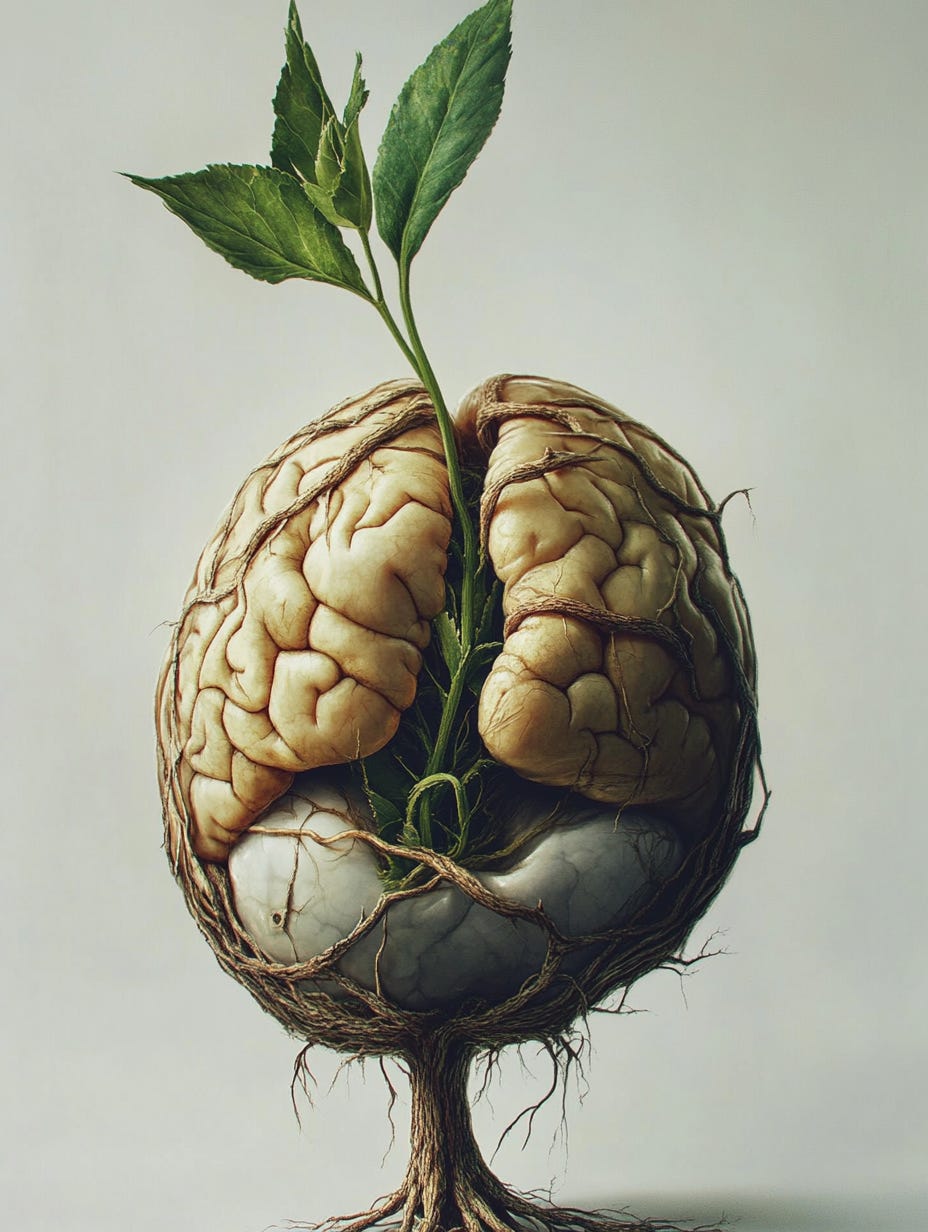
I’m not suggesting Ayahuasca is a universal panacea. Some individuals experience anxiety, confusion, or difficulty integrating what they discover. Context, intention, and a supportive structure matter immensely. That’s precisely why I’m drawn to it as a piece of a larger puzzle: my technology-driven reflection systems plus an age-old tool for heightened awareness.
So, I’m planning to keep doing what I do—explore, take notes, refine my approach, and share my process. Maybe it sparks something for you as well. Or maybe it just reaffirms the notion that there’s more than one way to reach deeper truths about ourselves.
What do you think? Is it wild to consider that a non-linear, hyper-analytical mind might actually thrive in this “unconventional” territory? I’m genuinely curious—because if there’s anything I’ve learned, it’s that our differences often become the key to discoveries we didn’t even know we were missing.
Feel free to let me know your thoughts. As always, this is my journey, but I hope it might open a little door for you, too—perhaps even one that leads to a more expansive vision of who you are and what life can hold.